
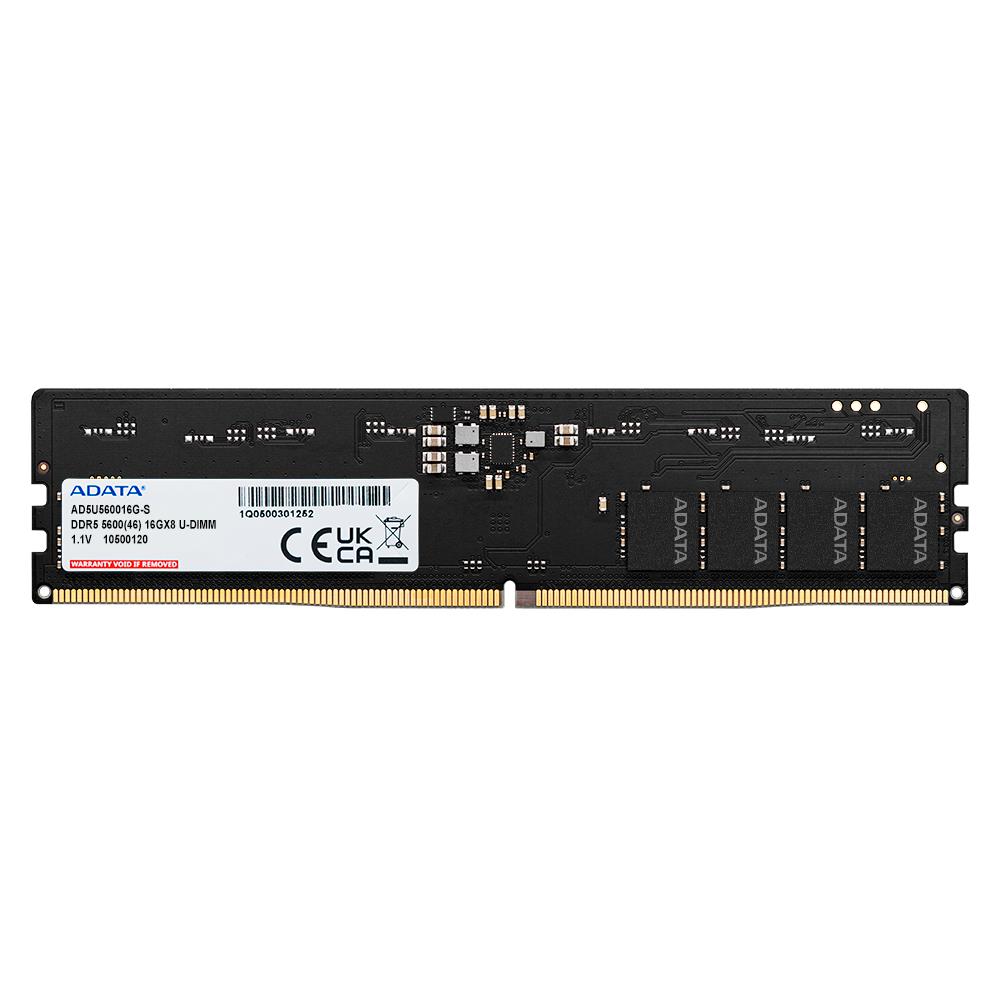
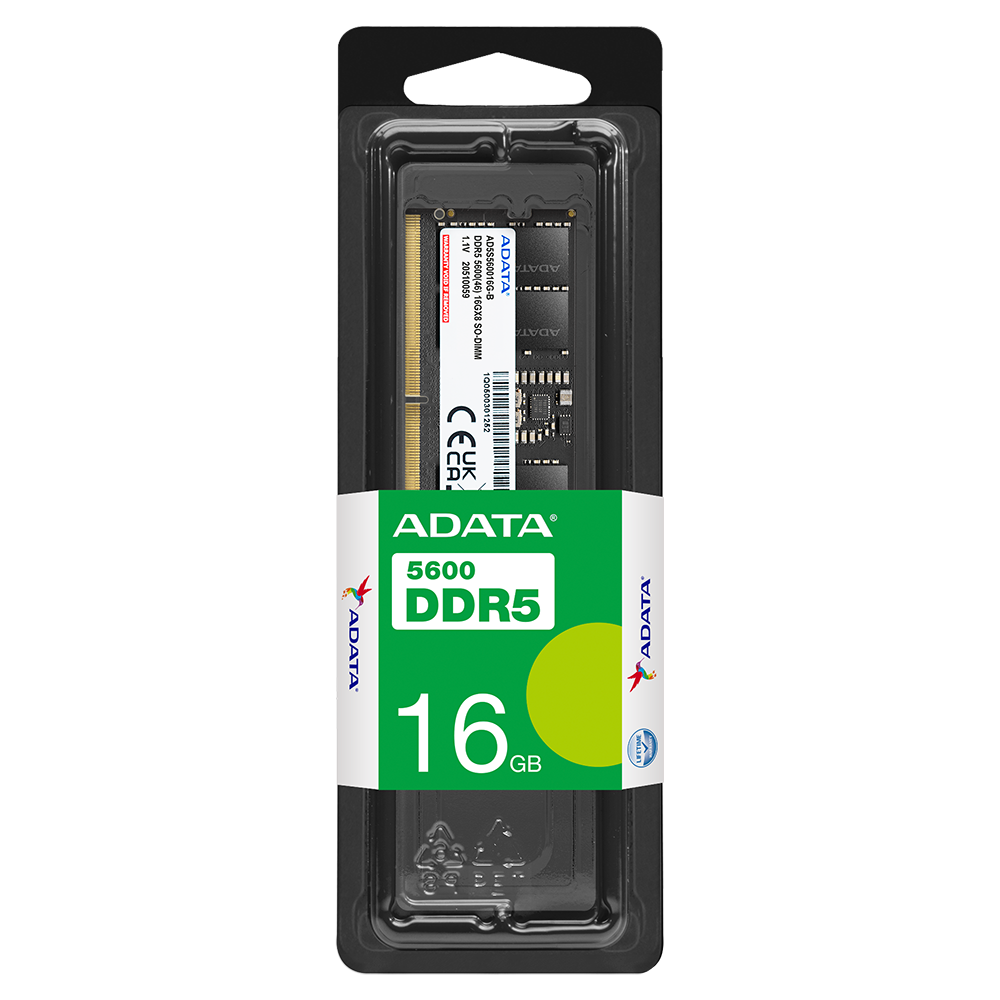
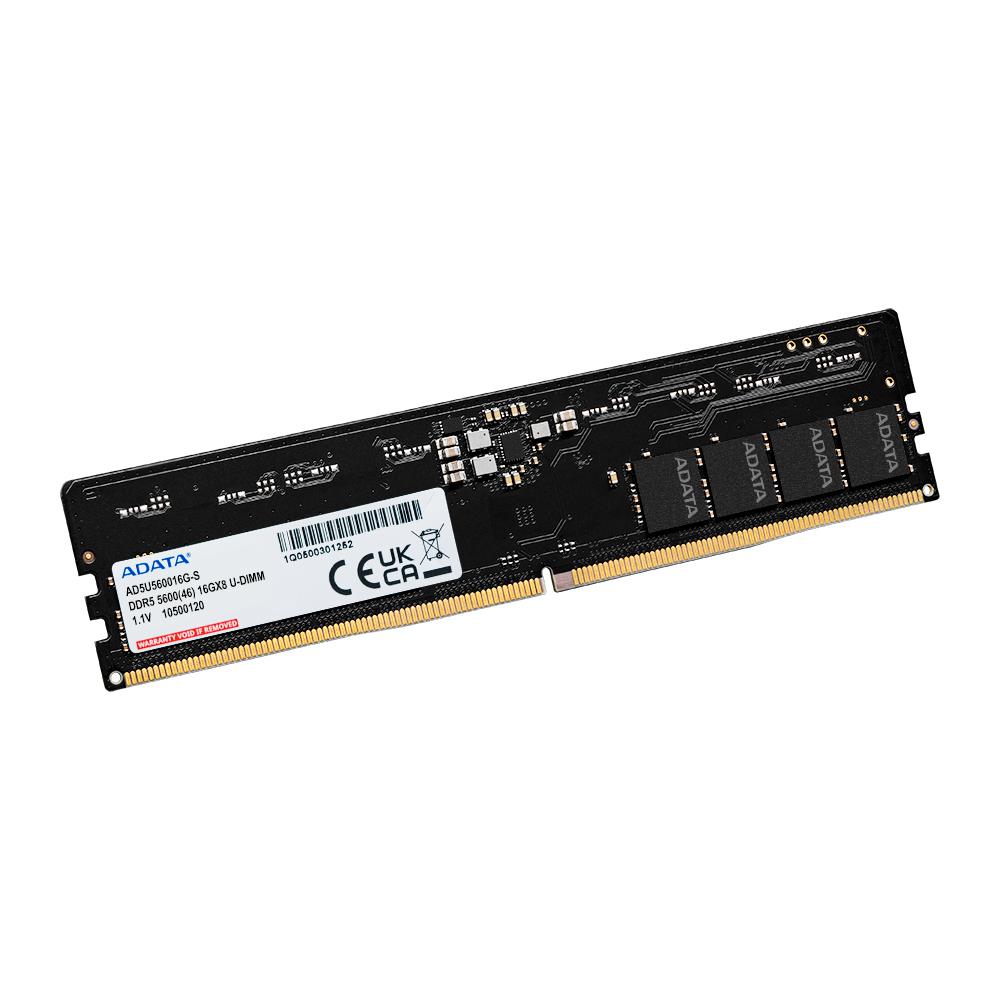
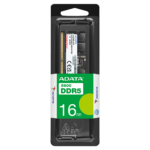
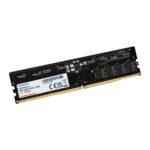
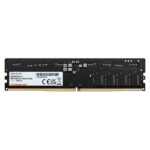
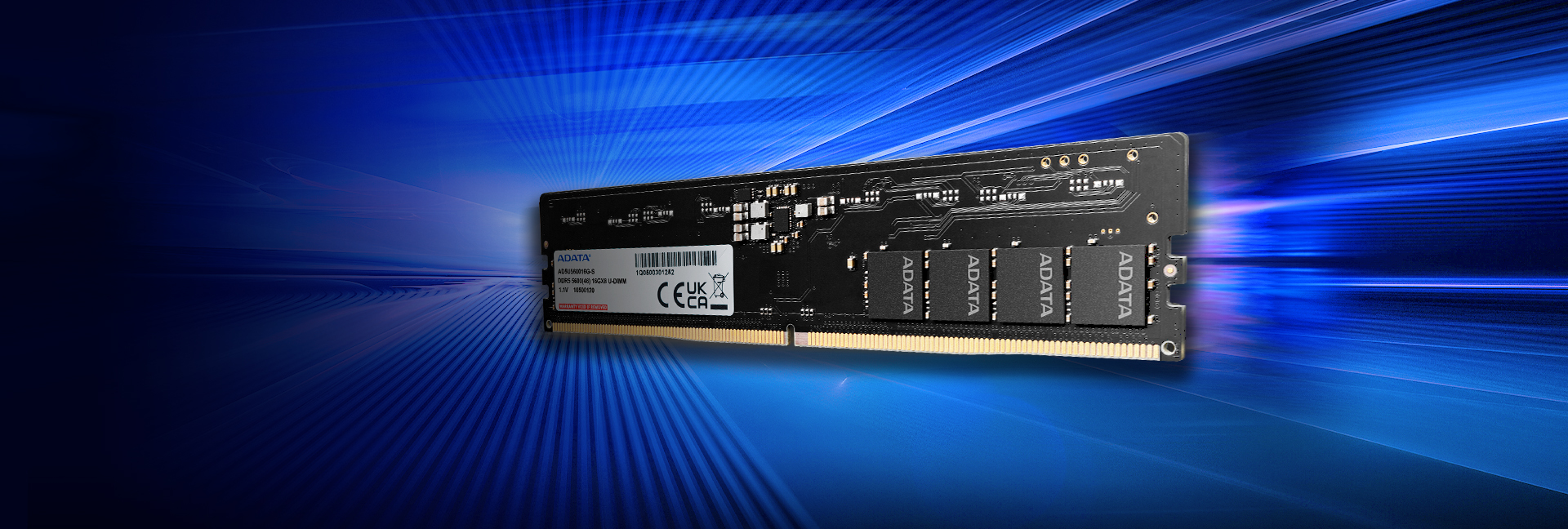
Adata 16GB (1x16GB) 5600MHz C46 DDR5 U-DIMM Desktop Memory
₨ 14,000
The future of DRAM is here in the form of the ADATA DDR5-5600 U-DIMM module. Compared to its predecessors, this module provides a significant speed boost, higher capacities, reduced power consumption, and increased bandwidth per CPU core.
- CAS Latency: CL 46
- Higher Frequencies
- Built-in Power Management IC
- On-Die Error Correcting Code
Ram Capacity: 16GB
Memory Type: Desktop RAM DDR5
Product Code: AD5U560016G-S
Brand: Adata
Warranty: 2 – Years Local
In Stock
Related products
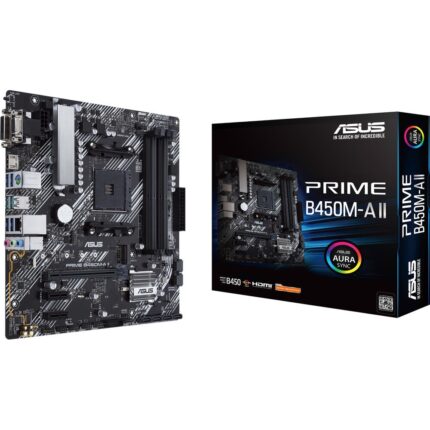
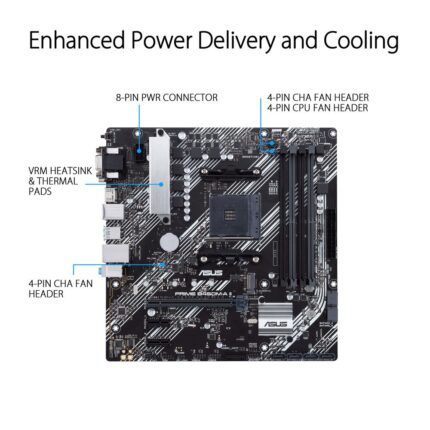
Asus Prime B450M-A II AMD AM4 mATX Gaming Motherboard
• Fan Xpert 2+: Flexible controls for ultimate cooling and silence, plus GPU-temperature sensing for cooler gaming
• Ultrafast connectivity: Supreme flexibility with USB 3.1 Gen 2 and native M.2
• ASUS Aura Sync header: Onboard connector for RGB LED strips, easily synced with an ever-growing portfolio of Aura Sync-capable hardware
• 5X Protection III: Multiple hardware safeguards for all-around system protection
Form Factor: Micro-Atx
Motherboard Type: AMD AM4
Product Code: AsusB450M-A
Brand: Asus
Warranty: 1 - Year Local
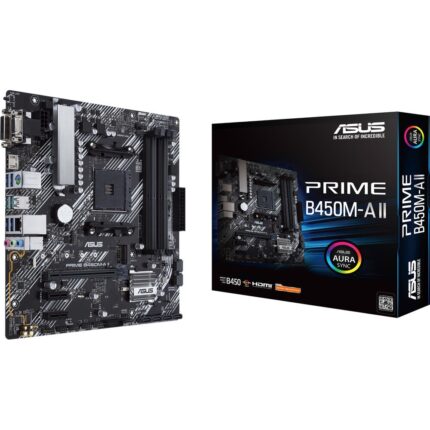
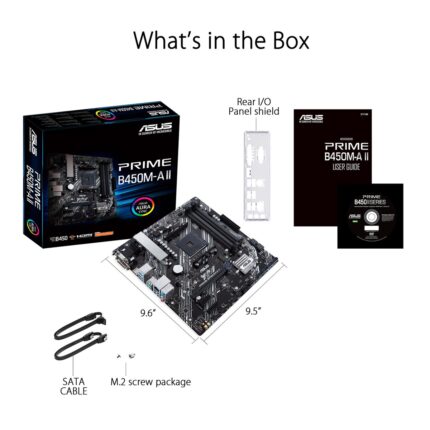
Asus Prime B450M-A II AMD AM4 mATX Gaming Motherboard
• Fan Xpert 2+: Flexible controls for ultimate cooling and silence, plus GPU-temperature sensing for cooler gaming
• Ultrafast connectivity: Supreme flexibility with USB 3.1 Gen 2 and native M.2
• ASUS Aura Sync header: Onboard connector for RGB LED strips, easily synced with an ever-growing portfolio of Aura Sync-capable hardware
• 5X Protection III: Multiple hardware safeguards for all-around system protection
Form Factor: Micro-Atx
Motherboard Type: AMD AM4
Product Code: AsusB450M-A
Brand: Asus
Warranty: 1 - Year Local
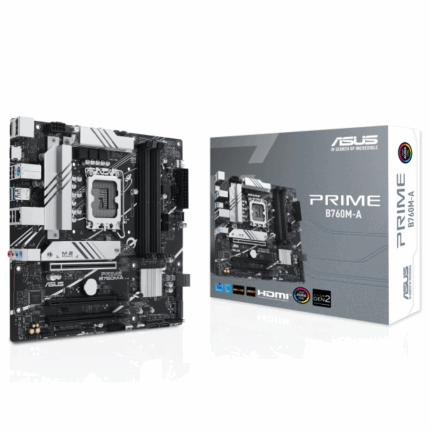
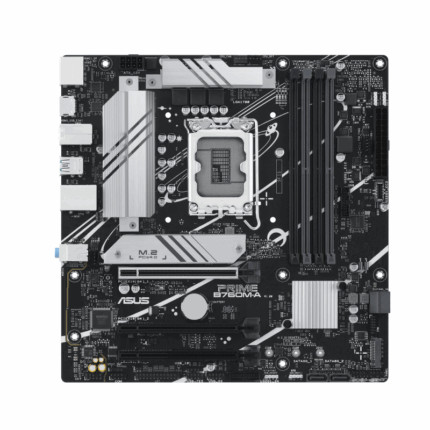
Asus Prime B760M-A DDR5 Intel 12/13/14th Gen microATX Motherboard
Intel® B760 (LGA 1700) mATX motherboard with PCIe 4.0, DDR5, two M.2 slots, Realtek 2.5Gb Ethernet, DisplayPort, Dual HDMI™, SATA 6 Gbps, rear USB 3.2 Gen 2, front USB 3.2 Gen 1 Type-C®, Aura Sync.
- Ready for 13th and 12th Gen Intel®
- 4x DIMMs, DDR5 7200+(OC)
- Comprehensive Cooling
- Aura Sync RGB Lighting
Motherboard Type: Intel 12/13/14th Gen (LGA-1700)
Form Factor: Micro-ATX
Product Code: PRIME B760M-A
Brand: Asus
Warranty: 2 - Years Local
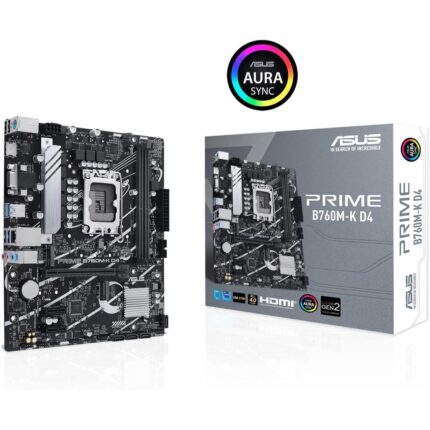
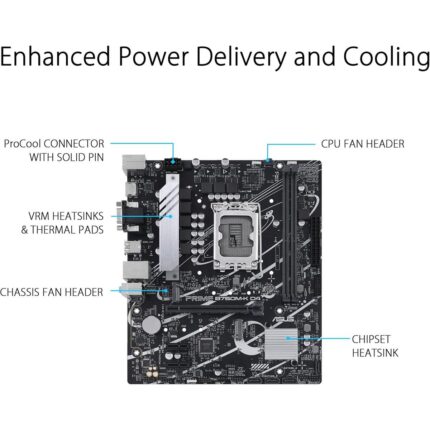
Asus Prime B760M-K D4 Intel 12/13/14th Gen microATX Motherboard
ASUS Prime series motherboards are expertly engineered to unleash the full potential of 14th Gen Intel® Core™ Processors. Boasting a robust power design, comprehensive cooling solutions and intelligent tuning options.
- Intel LGA 1700 Socket
- 2x DIMMs, DDR4 5333(OC)
- Comprehensive Cooling
- Aura Sync RGB Lighting
Motherboard Type: Intel 12/13/14th Gen (LGA 1700)
Form Factor: Micro-ATX
Product Code: PRIME B760M-K D4
Brand: Asus
Warranty: 1 - Year Local
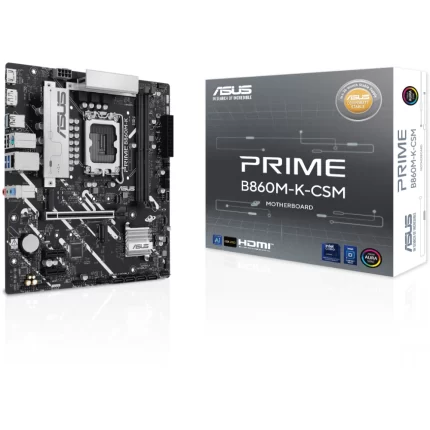
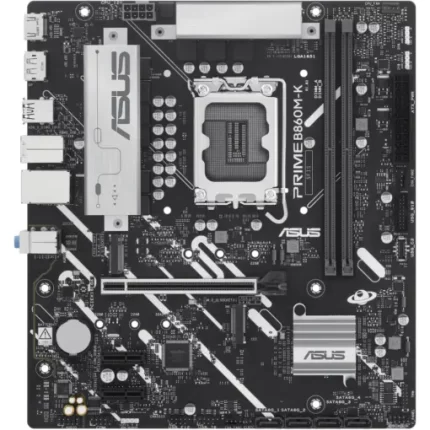
ASUS PRIME B860M-K-CSM DDR5 LGA1851 microATX Motherboard Supports Intel Core Ultra Processors
ASUS PRIME series motherboards are expertly engineered to unleash the full potential of the latest Intel® Core™ Ultra Processors (Series 2). Boasting a robust power design, comprehensive cooling solutions and intelligent tuning options.
- Supports Intel Core Ultra Series 2
- 4x DIMMs, DDR5 8666+MT/s (OC)
- 7+1+1+1 Digital Power Design
- PCIe 5.0 M.2 SSD Storage
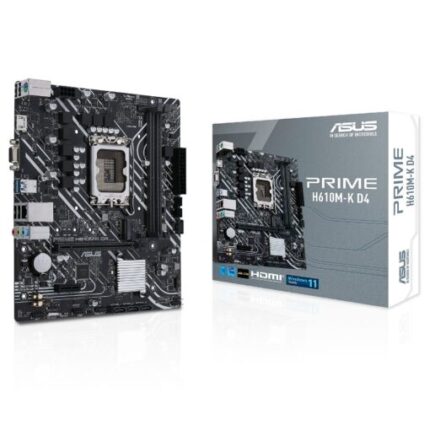
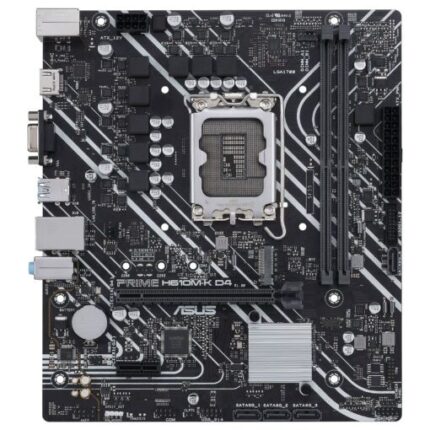
Asus Prime H610M-K D4 Intel 12/13th Gen microATX Motherboard
• Intel® LGA 1700 socket
• Comprehensive cooling
• Ultrafast connectivity
• 5X Protection III
Form Factor: Micro-ATX
Motherboard Type: Intel 12/13/14th Gen (LGA 1700)
Product Code: PRIME H610M-K D4
Brand: Asus
Warranty: 1 - Year Local
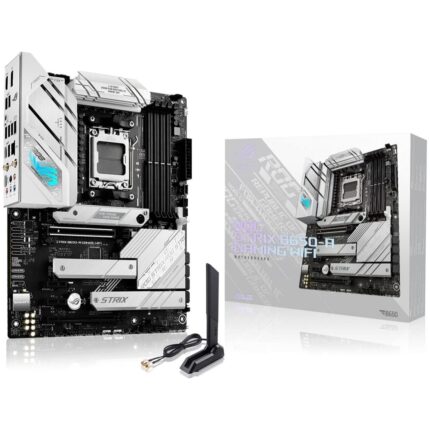
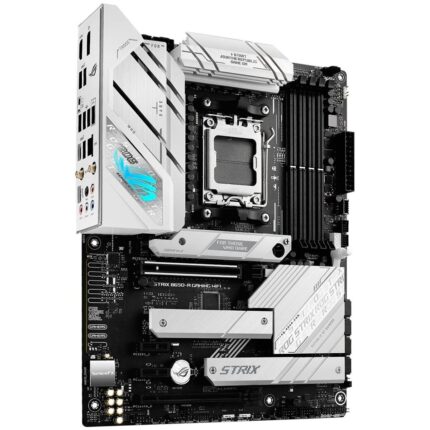
Asus Rog Strix B650-A Gaming Wifi DDR5 AMD AM5 ATX Motherboard
The ROG Strix B650-A Gaming WiFi comes equipped with potent performance and thermal prowess in a fresh-looking package.
- Ready for AMD Ryzen 7000 Series
- 4x DIMMs, DDR5 6400 MT/s+
- On-board PCIe Gen 5 M.2 slot
- 12 + 2 Teamed Power Solution
Motherboard Type: AMD AM5
Form Factor: Micro-Atx
Product Code: ROG STRIX B650-A GAMING WIFI
Brand: Asus
Warranty: 1 - Year Local
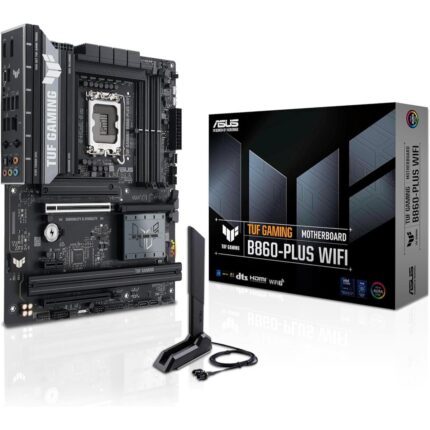
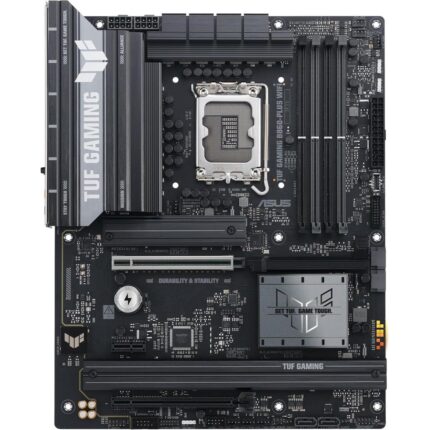
Asus Tuf Gaming B860-Plus Wifi B860 LGA 1851 ATX Motherboard, Intel Core Ultra Series 2 Ready, Advanced AI PC-Ready, 12+1+2+1 Stages, DDR5, PCIe 5.0, 3X M.2, Wi-Fi 7, 2.5Gb LAN, USB 20Gbps Type-C
ASUS TUF GAMING B860-PLUS WIFI takes all the essential elements of the latest Intel® Core™ Ultra Processors (Series 2) processors and combines them with game-ready features and proven durability.
- Supports Intel Core Ultra Series 2
- 4x DIMMs, DDR5 8666+MT/s (OC)
- 12+1+2+1 Digital Power Design
- PCIe 5.0 M.2 SSD Storage
Motherboard Type:Intel Ultra Series 2 (LGA-1851)
Form Factor: ATX
Product Code: TUF GAMING B860-PLUS WIFI
Brand: Asus
Warranty: 2 - Years Local















Reviews
There are no reviews yet.